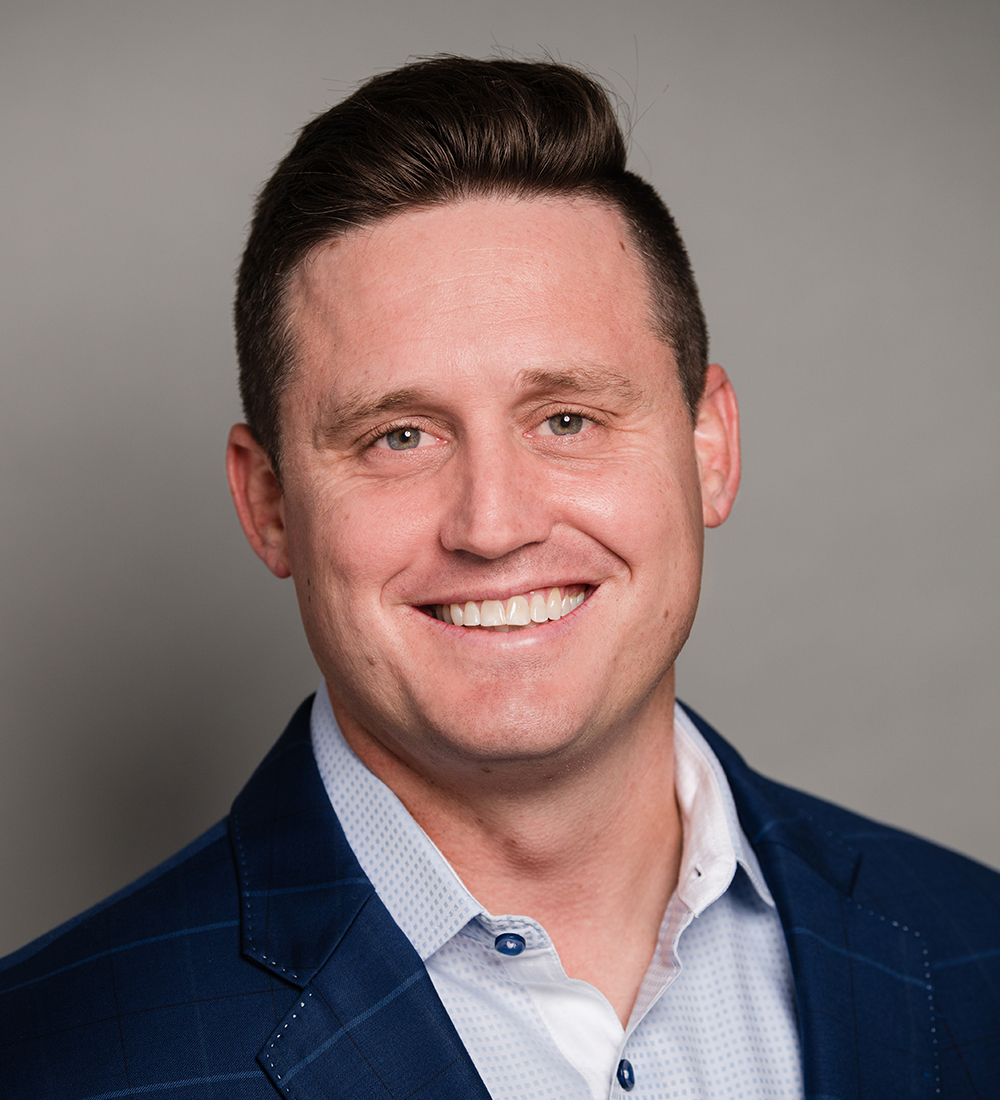
By Zach Whitchurch President | Wealth Advisor Certified Private Wealth Advisor® | CFP®
That idea has a practical side I think about often with clients, especially during periods of market uncertainty. The families who tend to come through difficult stretches in the best shape aren’t necessarily the ones with the most sophisticated portfolios. They’re the ones who have made a habit of focusing on the things they can influence, and genuinely letting go of the things they can’t.
The Illusion of Control
When markets fall, investors tend to start checking their phones more. Refreshing their investment accounts at 7:00 a.m., watching numbers scroll, hoping that paying closer attention will somehow change the outcome.
It won’t.
The market doesn’t care how closely you’re watching. You can’t stare it into going up. And yet the moment volatility picks up, most people shift their energy toward the one thing they have zero influence over. When that happens, irrational decisions follow. Selling at the wrong time, making dramatic changes out of fear, abandoning a plan that was working. These almost always come from trying to control something that was never theirs to control.
What You Can Do
The better question: What have you already put in place?
Investors who build a strategic plan well in advance of a downturn are in a genuinely different position. They have built their asset allocation to either take advantage of a market downturn or to weather it. And because they’ve already worked through with their advisor what a rough stretch means for their long-term plan, a down market doesn’t feel like an emergency. It feels like a moment they prepared for.
The rest of your financial life matters here too. Are you living in a way that aligns with what matters to you? Have you thought through where your income comes from and whether it holds up in a difficult year? Families who have done that work are often noticeably calmer when markets get ugly, because a bad month in the market doesn’t threaten what they’re building.
That is really what Housel is getting at. The purpose behind your financial life is what creates real stability. Money alone doesn’t do that.
Planning for the Unpredictable
This same principle extends into longer-term planning for families with significant wealth.
Take something every parent with grown children eventually faces: you can’t control who your kids marry. But for families who have spent decades building their wealth, it’s smart to ask whether the right legal structures are in place to preserve it if a relationship goes sideways. A properly designed trust can do exactly that. Thoughtful families build these structures before a problem arises, because waiting until a situation develops is almost always the wrong time to start.
The Work That Matters
The families we’ve seen build and preserve real wealth over time tend to share one habit: they spend their energy on the things they can genuinely shape. They build businesses, invest with intention, and raise their kids with clear values. They put the right legal and financial structures in place before they’re needed, not in response to a crisis.
They tend to spend their time focusing on what is most important to them and not always staring at their phones.
Most of the work happens before things get hard. And almost all of it is within your control.
How We Can Help
At Solidarity Wealth, we work with successful entrepreneurs, executives, and families to build financial plans and structures with the understanding that life will get complicated, because it always does.
If you’d like to talk through what that looks like for your family, reach out to us at info@solidaritywealth.com or call 385-374-1665 to schedule a discovery call.
Frequently Asked Questions
What can investors control during market volatility?
While you can’t control what markets do on any given day, you can control how your portfolio is structured, whether you have cash available to invest during a decline, how you rebalance, and how you respond to short-term swings. When companies become undervalued, that’s also a moment to evaluate each position individually, asking whether it makes sense to add exposure or whether the original thesis has changed. Investors who build these habits in advance tend to weather downturns far better than those reacting in the moment.
Why do people make bad financial decisions when markets fall?
When markets drop, many investors shift their attention toward things they can’t influence—obsessively monitoring prices, making reactive changes—rather than following a plan. Having a clear strategy in place before volatility arrives, ideally built with a trusted advisor, helps interrupt that cycle.
How can affluent families preserve wealth across generations?
Legal tools like trusts and other estate planning structures allow families to shield wealth from unpredictable life events, including the people their children or grandchildren may marry. Building these structures in advance, rather than in response to a problem, is one of the most significant things a family can do to preserve what they’ve built. They also invest time in making sure the purpose behind the wealth is understood across generations, not only through legal documents but through the family activities, conversations, and traditions they build together.
What does Morgan Housel’s The Art of Spending Money say about money and happiness?
Morgan Housel makes the case that money alone doesn’t produce happiness. What matters is the intentionality behind how you use it. For families who have built significant wealth, that’s a useful prompt to ask whether their financial life is aligned with what matters most to them.
What can investors control during a downturn?
Market returns, interest rate decisions, and economic cycles are outside any investor’s hands. Portfolio structure, tax planning, estate planning, and behavior during volatile periods are not. Over time, long-term financial outcomes tend to reflect those controllable factors far more than any attempt to predict or react to what markets do next.
About Zach
Zach Whitchurch is the President and a wealth advisor at Solidarity Wealth, with a background in behavioral finance and a focus on helping clients build the financial and life habits that support lasting wealth. He holds the CERTIFIED FINANCIAL PLANNER® and Certified Private Wealth Advisor® designations and co-founded Solidarity.
Solidarity Wealth is a registered investment adviser. This material is solely for informational purposes. Advisory services are only offered to clients or prospective clients where Solidarity Wealth and its representatives are properly licensed or exempt from licensure. Past performance is no guarantee of future returns. Investing involves risk and possible loss of principal capital. No advice may be rendered by Solidarity Wealth unless a client service agreement is in place.